
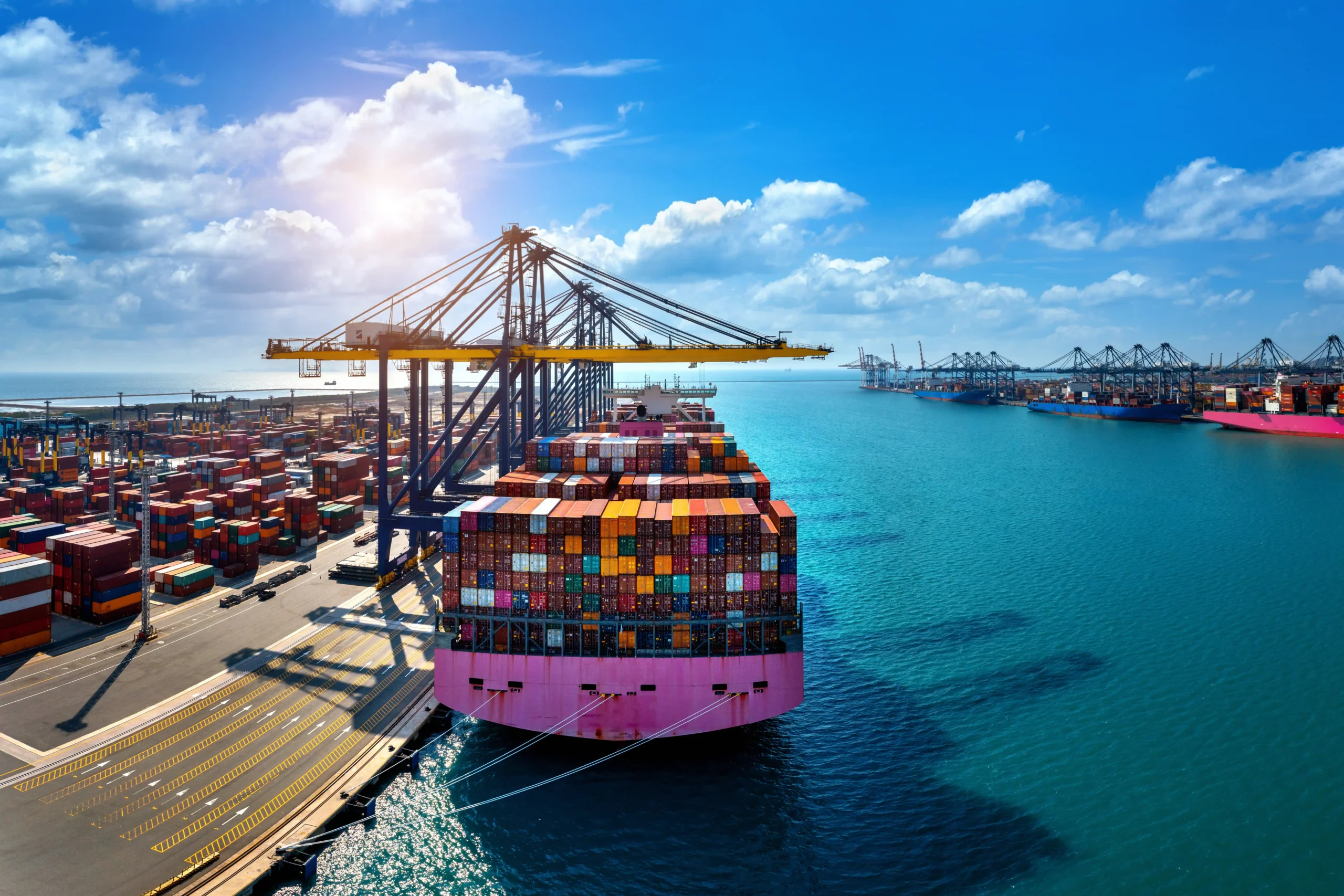
Understanding the sea freight process coconut shell charcoal briquettes overseas is important for exporters who want to deliver products safely and efficiently to international markets. To gain a broader understanding of the full logistics flow, you can explore the main guide, The Process of Shipping Coconut Shell Charcoal Briquettes Overseas, which explains each stage in more detail. Additional perspectives on logistics, business communication, and digital media support are also available on the homepage of aivamediagroup.com, which provides useful insights for companies involved in global trade.
Sea freight remains one of the most common shipping methods for coconut shell charcoal briquettes due to its cost efficiency and capacity for large-volume cargo. Exporters often rely on this method to send bulk orders to regions such as the Middle East, Europe, and North America.
Product Preparation Before Shipping
Before shipping begins, exporters must ensure that the briquettes meet export quality standards. This includes checking moisture levels, ash content, packaging strength, and product consistency. Proper preparation reduces the risk of damage and ensures that products remain in good condition during long-distance transport.
Exporters also need to label packages clearly with product information, handling instructions, and destination details. Accurate labeling supports logistics teams and simplifies customs inspection at the destination port.
Packaging and Container Loading
Strong and secure packaging is essential in sea freight shipping. Coconut shell charcoal briquettes are usually packed in cartons with inner plastic protection to prevent moisture exposure. These cartons are then arranged carefully inside shipping containers to maximize space and minimize movement during transit.
Container loading must follow safety standards to avoid shifting cargo. Proper stacking and weight distribution help protect the briquettes and maintain container balance throughout the journey.
Documentation and Customs Procedures
Sea freight shipping requires complete documentation before departure. Exporters must prepare commercial invoices, packing lists, certificates of origin, and shipping instructions. These documents help customs authorities verify the shipment and ensure compliance with international trade regulations.
Working with freight forwarders can simplify the documentation process. They assist in coordinating schedules, checking paperwork, and communicating with shipping lines.
Transportation and Port Handling
After loading, the container is transported to the port for departure. Port authorities inspect documents and cargo before allowing shipment. Once approved, the container is loaded onto a cargo vessel for international delivery.
Sea freight transit time depends on distance, shipping routes, and port schedules. Exporters must plan delivery timelines carefully to meet buyer expectations.
Arrival and Import Clearance
When the shipment arrives at the destination port, importers handle customs clearance and documentation. Authorities may inspect the cargo to ensure it meets safety and regulatory requirements. Once cleared, the briquettes are transported to warehouses or distribution centers.
Clear coordination between exporters and importers helps speed up this process and prevents unnecessary delays.
Risk Management and Logistics Planning
Shipping charcoal briquettes overseas involves several risks, including moisture exposure, packaging damage, and schedule disruptions. Exporters should plan logistics carefully, choose reliable shipping partners, and monitor shipment progress.
Insurance coverage also helps protect the cargo from unexpected losses during transportation.
Conclusion
The sea freight process coconut shell charcoal briquettes overseas involves preparation, packaging, documentation, transportation, and customs clearance. Each step requires careful coordination between exporters, logistics providers, and importers. By managing these processes effectively, businesses can ensure safe delivery, maintain product quality, and strengthen their presence in international markets.
