
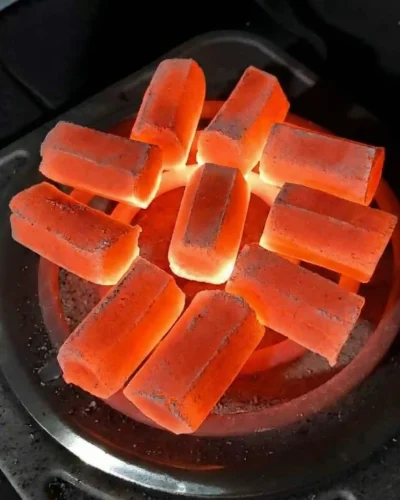
Making premium coconut briquettes requires precision, quality control, and a deep understanding of raw material characteristics. Coconut shell charcoal has gained global recognition as a superior alternative to traditional wood charcoal due to its high calorific value, low ash content, and environmentally friendly nature. When processed correctly, coconut briquettes provide consistent heat, long burning duration, and minimal smoke qualities that are essential for shisha, BBQ, and industrial applications.
Why Coconut Shell Is the Best Raw Material
Coconut shells are naturally dense and rich in fixed carbon, making them ideal for premium briquette production. Unlike wood charcoal, coconut shell charcoal burns hotter and longer while producing significantly less ash. This efficiency makes it highly attractive in international markets. Learning how to make briquettes from coconut shell is essential for transforming these raw materials into high-quality, durable, and market-ready briquettes that meet global standards.
Key Characteristics of Premium Coconut Briquettes
To qualify as premium grade, coconut briquettes must meet strict technical specifications:
-
- Fixed carbon above 75%
- Ash content between 2–3%
- Moisture content below 8%
- Calorific value up to 7,500 kcal/kg
- Strong structural durability
These factors directly influence performance, customer satisfaction, and export acceptance standards.
Step by Step Process of Making Premium Coconut Briquettes
Producing premium briquettes involves multiple controlled stages. Each phase contributes to final product quality and consistency.
1. Carbonization of Coconut Shells
The process begins with carbonizing dried coconut shells in a controlled, low-oxygen environment. Temperatures typically range between 400°C and 600°C. Proper carbonization eliminates volatile substances and increases fixed carbon content.
Consistent temperature management ensures uniform charcoal quality and prevents under-burned or over-burned material.
2. Crushing and Sieving
Once carbonized, the charcoal is cooled and crushed into fine powder. Sieving ensures uniform particle size, which is critical for achieving smooth molding and high-density briquettes.
Uniform granularity also improves mechanical strength and burning consistency.
3. Mixing with Natural Binder
Charcoal powder is mixed with a natural binder, commonly tapioca starch, to help shape and solidify the briquettes. The binder percentage must be carefully measured too much can increase ash content, while too little may cause cracking.
For detailed technical insight into how to make briquettes from coconut shell, understanding the correct binder ratio and mixing method is essential for professional results.
4. Briquette Molding and Pressing
The mixture is fed into a briquette press machine that forms uniform shapes such as cubes or hexagons. High-pressure compression ensures dense structure and durability during packaging and shipping.
Shape consistency is particularly important for shisha markets, where uniform heat distribution is required.
5. Drying and Final Quality Control
After molding, briquettes must be dried thoroughly, either through oven systems or solar drying methods. Moisture levels should be reduced below 8% to guarantee stable ignition and long burning time.
Quality control testing typically includes:
-
- Burning time evaluation
- Drop resistance testing
- Ash residue measurement
- Moisture analysis
Only products meeting export-grade standards proceed to packaging.
Applications and Market Demand
Premium coconut briquettes are widely used in:
-
- Shisha and hookah lounges
- Restaurants and BBQ businesses
- Industrial heating systems
- Activated carbon manufacturing
Their clean-burning properties and sustainability appeal strongly to environmentally conscious markets in Europe, the Middle East, and North America.
Conclusion
Making premium coconut briquettes requires strict adherence to professional production standards, from carbonization to final quality testing. By maintaining low moisture, high fixed carbon, and consistent density, manufacturers can produce briquettes that meet global performance expectations.
With growing demand for sustainable energy solutions, investing in high-quality coconut briquette production offers strong long-term business potential and environmental benefits.
Click vagusnet.com to explore the complete guide and discover the professional methods to produce high-quality coconut shell briquettes for commercial success
