
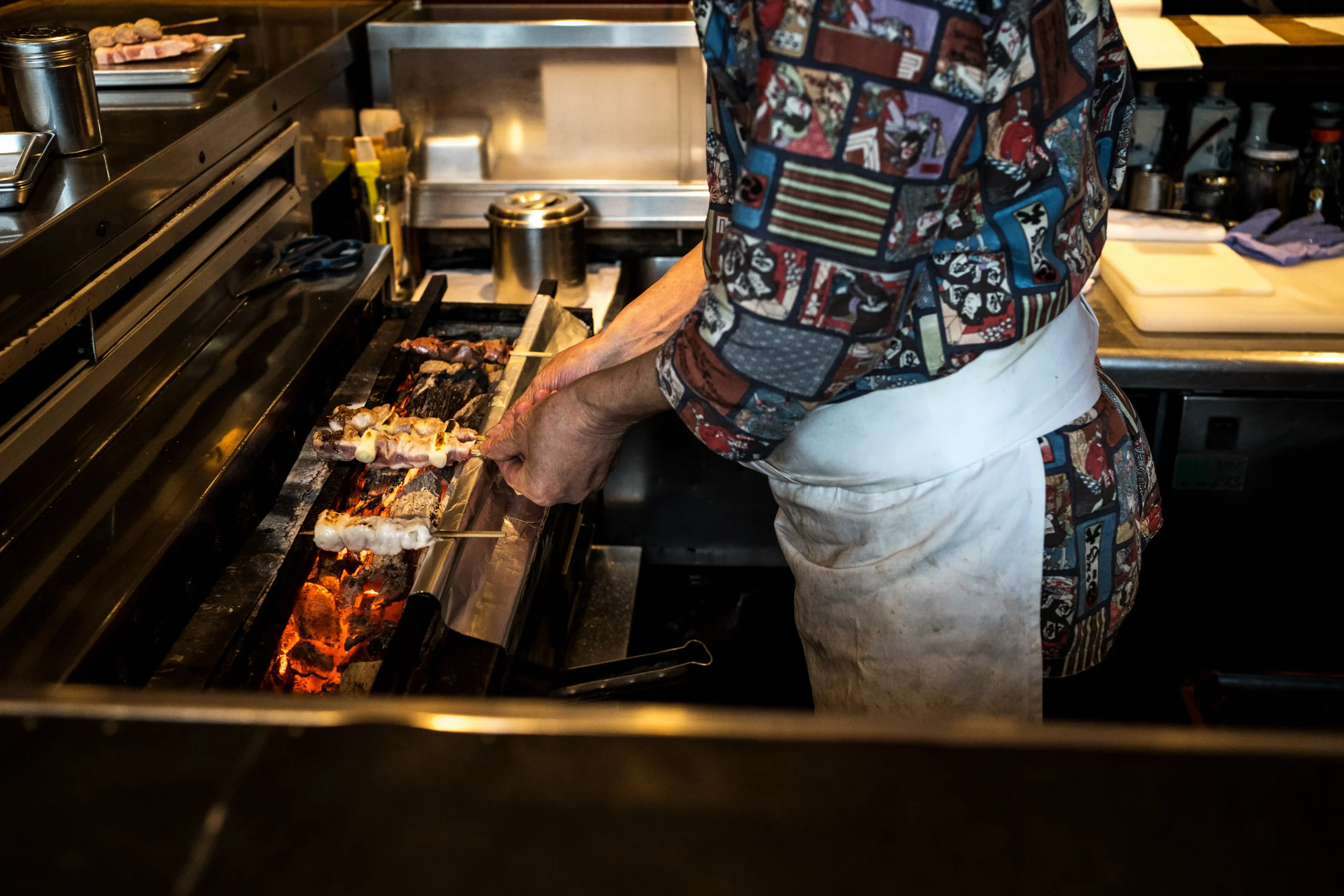
For restaurants that prioritize food safety, consistency, and operational efficiency, choosing the right cooking fuel is an important decision. The article High-Quality and Efficient Charcoal Briquettes for Restaurants provides a clear overview of how professional-grade briquettes support reliable grilling performance in food service environments. In addition, broader insights into charcoal products, production standards, and industry trends are available on jacoid.com, a resource platform dedicated to coconut-based products and food industry knowledge.
The Role of Charcoal Briquettes in Food Grade Kitchens
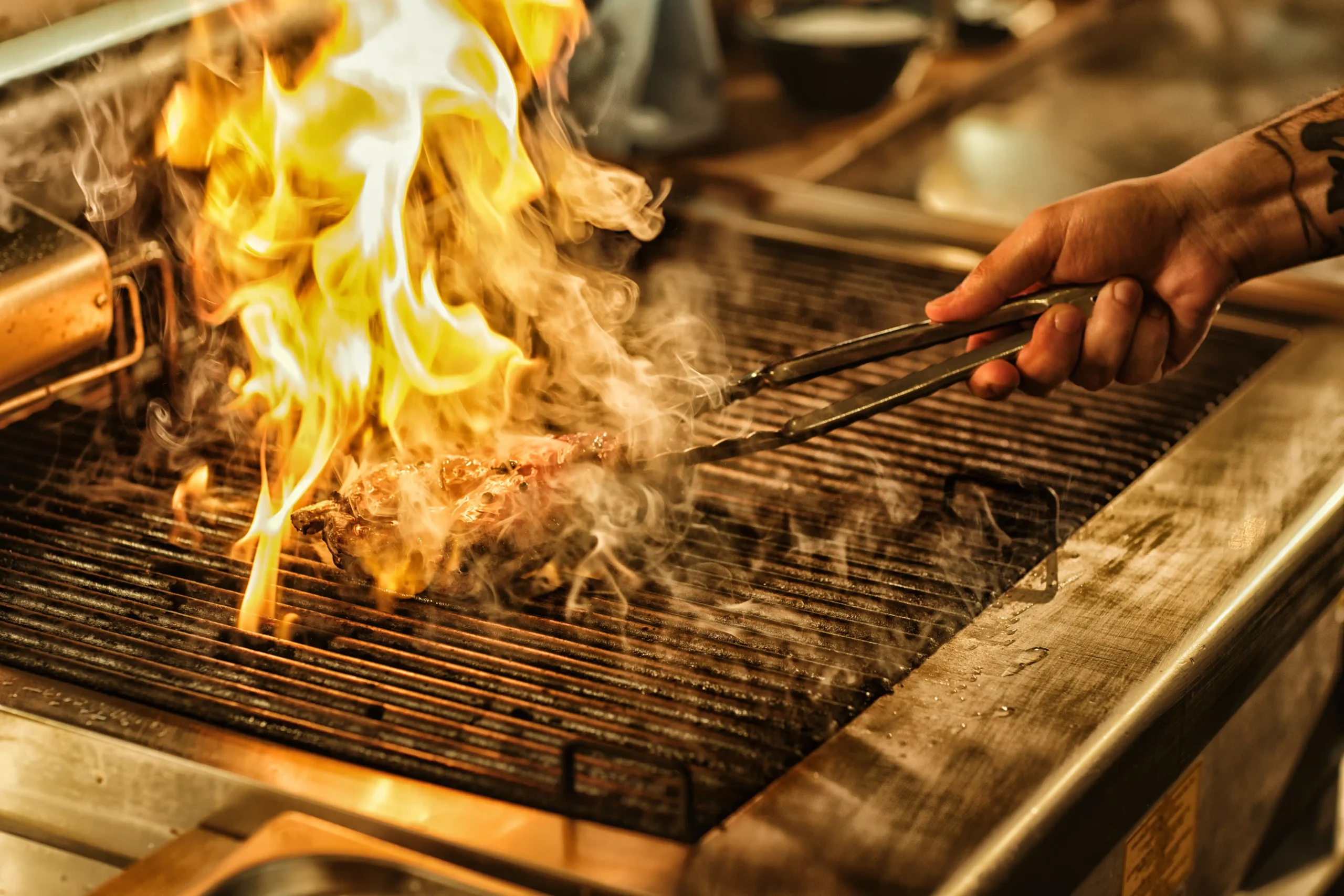
Charcoal briquettes for standard food grade restaurants play a key role in maintaining consistent cooking conditions. Unlike irregular fuel sources, briquettes burn in a controlled and predictable manner. This stability helps kitchen teams manage grilling temperatures more accurately, which is essential for meeting food safety and quality standards.
Food grade restaurants often operate under strict hygiene and quality guidelines. Consistent heat allows chefs to cook proteins and vegetables evenly, reducing the risk of undercooked food while preserving texture and flavor. For daily operations, this reliability supports smoother kitchen workflows and more dependable results.
Consistent Heat for Reliable Cooking Results
One major advantage of charcoal briquettes lies in their uniform shape and composition. Each briquette burns at a similar rate, creating even heat across the grill surface. In standard food grade restaurants, this consistency supports repeatable cooking outcomes across different service periods.
Steady heat also helps reduce cooking errors during busy hours. Kitchen staff can rely on predictable grill performance without constantly adjusting fuel levels. As a result, chefs maintain better control over cooking times and food presentation.
Cleaner Operation and Hygiene Support
Cleanliness remains a top priority in food grade restaurant environments. High-quality charcoal briquettes typically produce less smoke and lower ash residue compared to traditional firewood or low-grade charcoal. Reduced smoke improves air quality inside the kitchen and supports effective ventilation systems.
Lower ash levels also simplify daily cleaning routines. Kitchen staff can clean grills more efficiently, maintain hygiene standards, and reduce downtime between service shifts. Cleaner grilling conditions contribute to a safer and more organized kitchen environment.
Efficiency for Daily Restaurant Operations
Charcoal briquettes for standard food grade restaurants also offer longer and more stable burn time. This feature allows grills to operate for extended periods without frequent refueling. Fewer interruptions help kitchen teams maintain workflow efficiency and focus on food preparation rather than fuel management.
Over time, improved efficiency can support cost control by reducing fuel waste and labor demands. For restaurants that grill daily, these operational benefits add long-term value without compromising food quality.
Supporting Flavor Consistency Across Menus
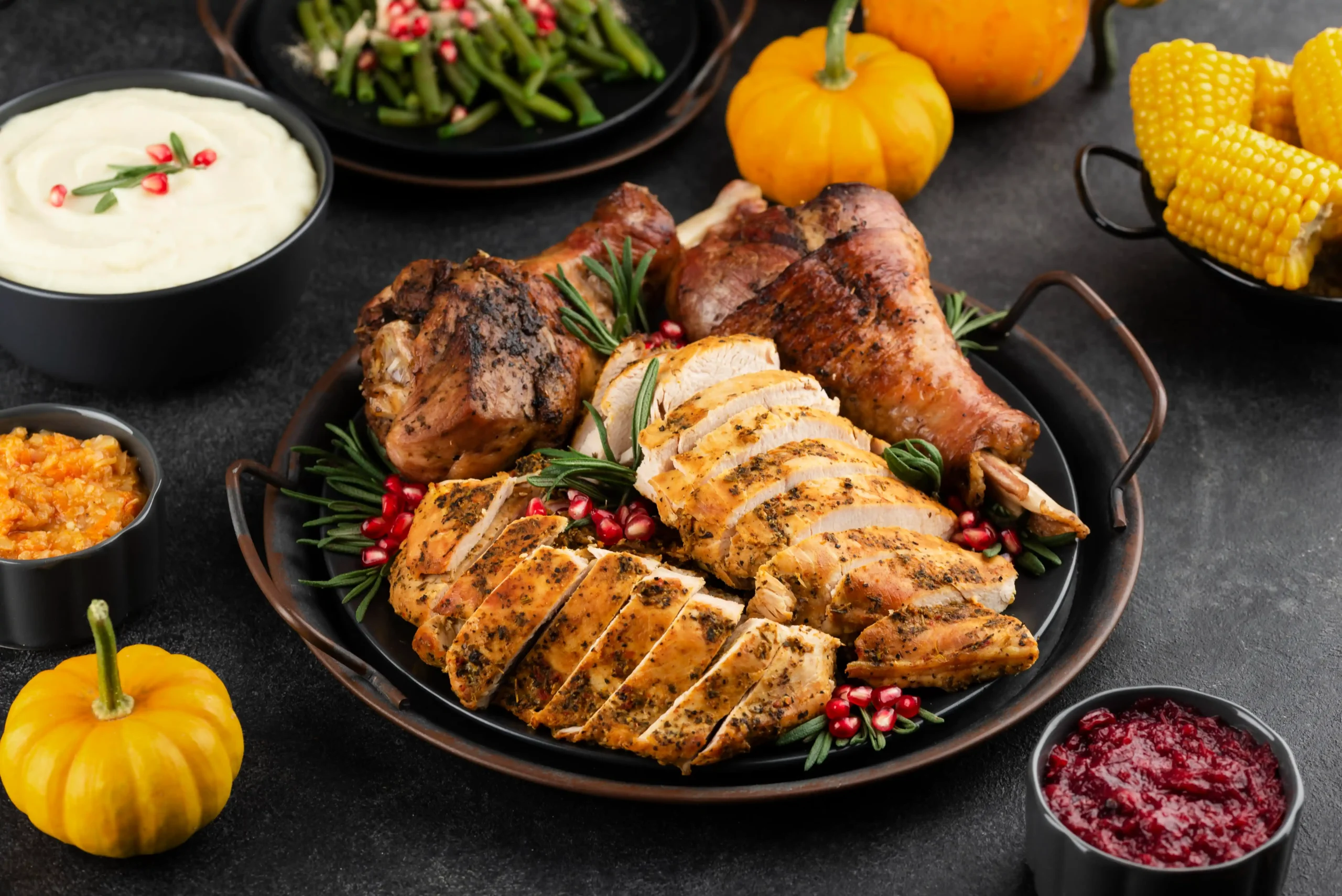
From a culinary perspective, charcoal briquettes provide neutral heat that allows natural food flavors to stand out. Marinades, seasonings, and ingredients retain their intended taste without overpowering smoke. This makes briquettes suitable for a wide range of menu items commonly found in standard food grade restaurants.
Consistent flavor helps restaurants build customer trust. Guests expect the same taste and quality on every visit, and stable grilling conditions support that expectation across different dishes and service times.
Conclusion
Charcoal briquettes for standard food grade restaurants support consistent cooking quality, clean kitchen operations, and efficient daily workflows. With stable heat output, longer burn time, and lower ash production, briquettes remain a practical fuel choice for restaurants that value food safety and reliability. By using quality charcoal briquettes, food grade restaurants can maintain cooking standards, improve efficiency, and deliver dependable dining experiences for their customers.
