
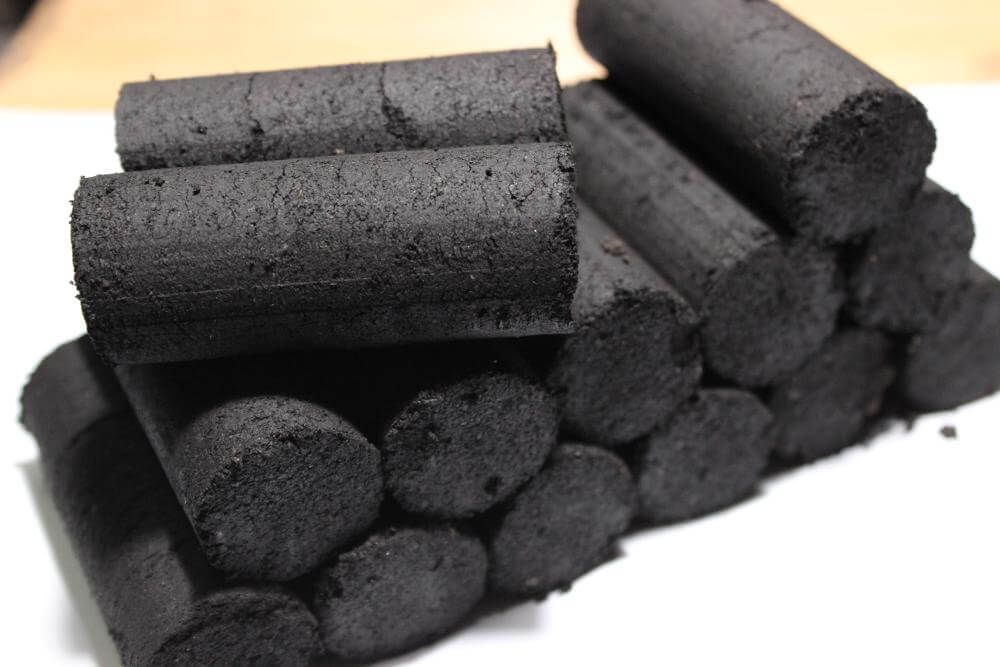
Eco briquettes made from natural waste are gaining attention as an eco-friendly and sustainable alternative to traditional fuels. The process of natural waste to briquettes transforms agricultural and organic waste into a valuable source of energy, offering environmental, economic, and social benefits.
What Are Eco Briquettes
Unlike charcoal or fossil fuels, they are produced without harmful chemicals or deforestation, making them a greener energy source.
The compact nature of briquettes allows for easier storage, transportation, and use compared to loose biomass.
Raw Materials: Using Natural Waste Efficiently
Natural waste materials are abundant and often discarded in ways that harm the environment, such as open burning or landfill dumping. Eco briquettes use this waste productively. Common raw materials include:
-
Sawdust and wood chips from timber industries
-
Coconut shells and husks
-
Rice husks and straw
-
Sugarcane bagasse
-
Coffee grounds and nutshells
Environmental Benefits
One of the biggest advantages of eco briquettes is their positive environmental impact. They help reduce deforestation by lowering the demand for firewood and charcoal. Burning eco briquettes produces less smoke and fewer harmful gases, improving air quality and reducing health risks linked to indoor air pollution.
By converting waste into fuel, eco briquettes also tackle the problem of agricultural waste disposal. Open burning of waste causes air pollution and greenhouse gas emissions, whereas turning it into briquettes offers a cleaner alternative.
Economic and Social Impact
Eco briquette production supports local economies, especially in rural areas rich in agricultural waste. It creates jobs in collection, processing, and manufacturing. Additionally, briquettes often cost less than fossil fuels and charcoal, providing affordable energy for households and small businesses.
Because briquettes burn longer and generate more heat than loose biomass, users benefit from improved cooking and heating efficiency. This can reduce fuel consumption and save money over time.
Challenges to Overcome
Despite the many benefits, producing eco briquettes on a large scale faces challenges. Proper drying of raw materials is essential to ensure quality briquettes, requiring infrastructure investment. Also, machinery for briquetting can be costly for small producers.
Awareness and education are crucial. Consumers need to understand the advantages and how to use briquettes effectively. Standardization and quality control must be developed to maintain consistent fuel performance.
Future Prospects
The future of eco briquettes looks promising. Innovations are being explored to improve durability, diversify raw materials, and enhance production efficiency. Governments and environmental organizations are increasingly supporting briquette initiatives as part of clean energy and waste management programs.
As demand for renewable energy grows, eco briquettes could become a key player in reducing reliance on fossil fuels and combating climate change.
Conclusion
Eco briquettes from natural waste provide a clean, sustainable, and practical energy solution. By converting agricultural waste into efficient fuel, they address environmental issues like pollution and deforestation while promoting economic development. Expanding their use worldwide could help build greener, healthier communities and contribute significantly to global sustainability efforts.