
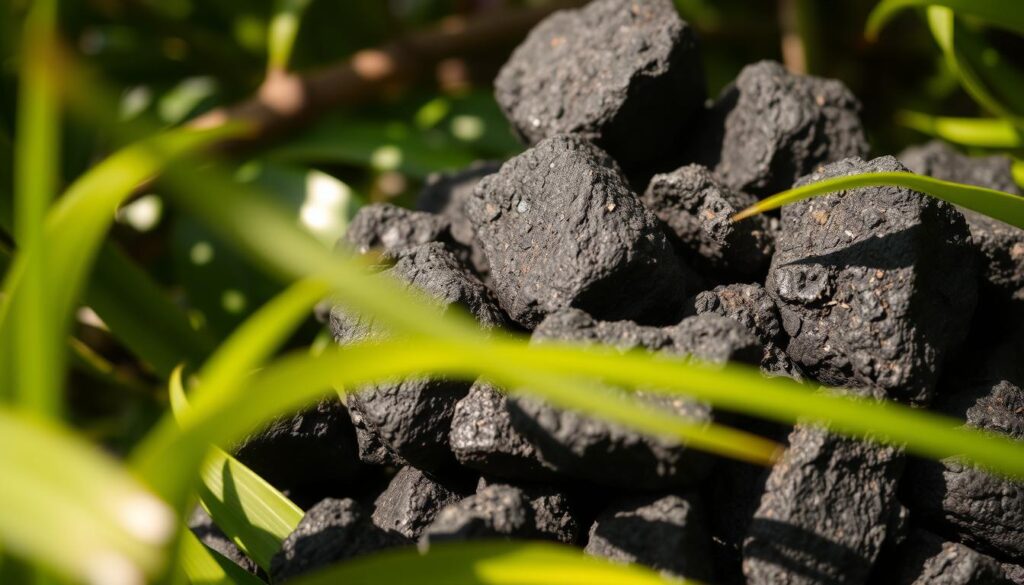
The growing demand for sustainable and renewable energy has pushed researchers and industries to look for alternatives to fossil fuels. One promising solution is eco friendly fuel from coconut shells, such as the coconut shell charcoal briquette, which turns waste coconut shells into high-quality biomass fuel. This approach not only provides a clean and efficient energy source but also helps reduce environmental pollution and waste accumulation.
Introduction to Coconut Shell Fuel
Coconut shells, generated during coconut production, are usually treated as waste. However, they are rich in carbon and can be transformed into durable fuel blocks. Known for long burn, high heat, and low smoke, eco friendly fuel from coconut shells is widely used. These characteristics make it suitable for household cooking, industrial heating, and commercial applications such as restaurants and barbecue businesses.
How Coconut Shell Fuel Is Produced
Collection and Cleaning
Coconut shell briquette production starts with gathering shells and cleaning off leftover flesh and fibers. Clean shells ensure efficient burning and reduce smoke when used as fuel. After cleaning, the shells are dried naturally in the sun or with industrial drying equipment to remove moisture. Using dried shells results in briquettes that burn hotter and last longer.
Carbonization
Dried coconut shells are carbonized in a low-oxygen environment to create charcoal. Carbonization removes moisture and volatile compounds, leaving behind carbon-rich material. This step can be carried out in traditional kilns or modern furnaces. The resulting charcoal is then crushed into fine powder suitable for briquetting.
Briquetting
The carbonized coconut shell powder is compressed under high pressure to form briquettes. Mechanical presses shape the briquettes into various forms such as cylinders, pillows, or blocks. The compression ensures the briquettes are dense, durable, and capable of burning steadily for an extended period. Some producers also add natural binders like starch or molasses to improve cohesion.
Drying and Packaging
After compression, the briquettes may undergo additional drying to remove residual moisture. Proper drying prevents mold formation and enhances combustion efficiency. The finished briquettes are then packaged and distributed for household, industrial, and commercial use.
Benefits of Eco Friendly Fuel from Coconut Shells
1. Environmental Protection
Using coconut shells as fuel reduces reliance on firewood and fossil fuels, helping prevent deforestation and lower greenhouse gas emissions.
2. Waste Management
Coconut shells, otherwise discarded, become efficient fuel that minimizes environmental pollution.
3. High Efficiency
Coconut shell briquettes are dense and carbon-rich, providing long-lasting heat with minimal smoke, making them more efficient than traditional wood or coal.
4. Cost-Effective
Locally sourced coconut shells reduce transportation and production costs, offering an affordable fuel alternative.
5. Versatility
Used for domestic cooking, industrial heating, commercial grilling, and electricity production, coconut shell briquettes have many applications.
Applications
-
Households: Cleaner and more efficient cooking fuel.
-
Industries: Heating for kilns, boilers, and other processes.
-
Commercial: Used in restaurants, barbecue vendors, and cafés.
-
Energy Production: Biomass power plants can use briquettes to generate electricity.
Conclusion
In conclusion, eco friendly fuel from coconut shells represents a sustainable solution to energy needs while addressing environmental and waste management concerns. By converting discarded coconut shells into high-quality briquettes, communities and industries gain access to clean, efficient, and cost-effective energy. With growing awareness of renewable energy, coconut shell briquettes offer a practical and environmentally responsible fuel option for a greener future.